Ivermectin 3 mg
Price range: $45.00 through $450.00
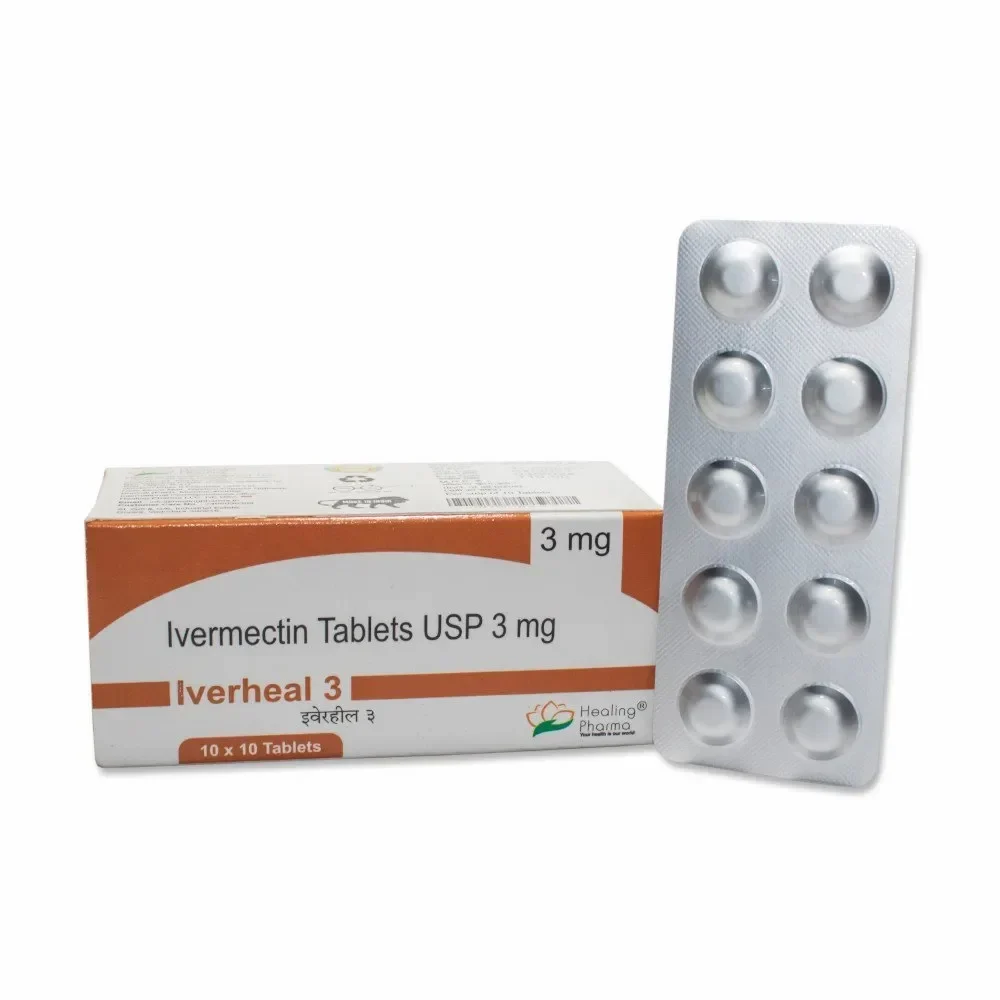
Ivermectin 3 mg tablets for a reliable and effective anti-parasitic treatment. Formulated with Ivermectin, this lower-strength 3 mg dose is ideal for precise treatment plans for various parasitic infections, ensuring safety and efficacy under clinical guidance.
| Active Ingredient | Ivermectin |
|---|---|
| Manufacturer | Healing Pharma |
| Packaging | 10 tablets in 1 strip |
| Strength | 3 Mg |
| Delivery Time | 6 To 10 days |
| SKU: | Iverheal 3 Mg (Ivermectin 3) |
Description
What is an ivermectin 3 mg tablet?
Ivermectin 3 mg tablet is a prescription oral medication used to treat infections caused by parasites in the human body. It belongs to a group of drugs known as antiparasitic or anthelmintic medicines, which work by killing or paralyzing parasites so the body can naturally remove them.
Healthcare providers commonly prescribe ivermectin 3 mg for conditions such as intestinal worm infections, scabies, lice infestations, and certain parasitic skin diseases. The medication is taken orally and is typically recommended as a single dose or a short treatment course, depending on the patient’s weight, diagnosis, and medical condition.
Ivermectin works by affecting the nervous system of parasites. Once the parasites are immobilized and destroyed, symptoms like itching, irritation, and infection begin to improve over time.
It is essential to note that Ivermectin 3 mg tablets are specifically designed for parasitic infections. It is not an antibiotic and does not treat viral illnesses. The medicine should only be used under medical supervision, as the correct dosage and duration vary from person to person.
When taken properly as prescribed, ivermectin is considered an effective and widely used treatment option for managing parasitic infections and improving patient recovery.
Ivermectin 3 mg Tablet Uses
The ivermectin 3 mg tablet is primarily used to treat infections caused by parasites. Doctors prescribe this medication when parasites affect the skin, intestines, or other parts of the body. It works by killing and stopping the growth of parasites, helping the body recover naturally.
Here are the three most common medical uses of ivermectin: mg:
1) Intestinal Parasite Infections
Ivermectin is widely used to treat intestinal worm infections such as
- Strongyloidiasis
- Roundworm infections
- Other parasitic digestive tract conditions
It helps eliminate parasites from the intestines and improves digestive health.
2) Scabies Treatment
One of the most common uses of ivermectin 3 mg is for scabies, a skin condition caused by mites.
- Reduces severe itching
- Kills mites under the skin
- Helps heal rashes and irritation
Doctors may prescribe it alone or with topical creams.
3) Lice Infestation
Ivermectin tablets are sometimes used to treat head lice when topical treatments are not effective. It helps stop lice from spreading and eliminates them from the scalp.
4) Parasitic Skin Infections
The medication is also prescribed for certain mite-related and parasitic skin infections that cause inflammation, itching, and discomfort.
5) River Blindness (Onchocerciasis)
Under medical supervision, ivermectin is used to control this parasitic infection that affects the eyes and skin. It helps reduce parasite activity and prevents complications.
6) Off-Label Medical Use
In some cases, healthcare providers may recommend ivermectin for other parasitic conditions based on diagnosis and patient health status. This is always done under professional medical guidance.
Important:
Ivermectin 3 mg tablets are only effective against parasitic infections. It does not treat viral or bacterial illnesses and should not be used without a doctor’s recommendation.
How Ivermectin Works in the Body
Ivermectin 3 mg works by targeting the nervous system of parasites that live in the human body. It binds to specific nerve and muscle cells in parasites, causing paralysis and eventually leading to their death. Once the parasites are immobilized, the body’s immune system helps remove them naturally.
This action helps reduce symptoms such as itching, inflammation, skin irritation, and digestive discomfort that are commonly caused by parasitic infections.
The medicine is absorbed into the bloodstream after oral intake and begins working against parasites present in the intestines, skin, or other affected tissues. Its effect allows the body to gradually recover as the infection clears.
Ivermectin is designed specifically to act on parasites and has minimal impact on human nerve cells when taken in the prescribed dose. This is why it is considered effective and generally safe under medical supervision.
It is important to understand that ivermectin does not work against viruses or bacteria. Its role is limited to treating parasitic infections, and its effectiveness depends on proper diagnosis, correct dosage, and adherence to medical guidance.
Benefits of Ivermectin 3 mg Tablet
The Ivermectin 3 mg tablet is widely used for treating parasitic infections and offers several medical benefits when taken as prescribed by a healthcare professional. It helps eliminate parasites, reduce symptoms, and support faster recovery.
Here are the key benefits of ivermectin. 3 mg:
Effective Against Parasitic Infections
Ivermectin targets and kills parasites in the body, helping treat conditions like intestinal worm infections, scabies, and lice infestations.
Fast Symptom Relief
Many patients experience reduced itching, irritation, and inflammation within a few days of treatment, especially in skin-related infections such as scabies.
Short Treatment Duration
In many cases, a single dose or short treatment course is enough to manage the infection, making it convenient for patients.
Improves Skin Health
By eliminating mites and parasites, the medication helps the skin heal and reduces redness, rashes, and discomfort.
Supports Digestive Recovery
For intestinal parasite infections, Ivermectin helps clear parasites from the digestive system, improving overall gut health and comfort.
Doctor-Supervised Safety
When taken under medical guidance, ivermectin is considered a reliable and commonly used antiparasitic treatment with predictable results.
Helps Prevent Infection Spread
Treating parasitic conditions early can help prevent the infection from spreading to others, particularly in cases like scabies and lice.
Ivermectin 3 mg Dosage Guide
Dosage is determined by a healthcare provider based on body weight, infection type, and severity.
General medical guidance:
- Usually taken as a single dose or short course
- Taken on an empty stomach with water
- Dosage may be repeated if necessary
- Not intended for self-medication
Always follow professional medical advice rather than adjusting doses on your own.
How to Take an Ivermectin Tablet Safely
Taking an ivermectin 3 mg tablet correctly is important for effective treatment and to reduce the risk of side effects. This medication should always be used under the guidance of a healthcare professional, as the dosage and duration depend on the type of infection and individual health factors.
Follow Your Doctor’s Prescription
Always take ivermectin exactly as prescribed. Do not increase, decrease, or repeat the dose without medical advice.
Take on an Empty Stomach
Ivermectin is usually taken on an empty stomach for better absorption. Swallow the tablet with a full glass of water unless your doctor advises otherwise.
Use the Correct Dose.
The dosage is typically based on body weight and the condition being treated. Taking the correct amount helps ensure the medicine works effectively.
Do Not Skip or Double Doses
If a dose is missed, take it when you remember. If it is close to your next scheduled dose, skip the missed one. Avoid taking two doses at the same time.
Complete the Treatment Course
Even if symptoms improve, follow the full treatment plan recommended by your healthcare provider to prevent the infection from returning.
Avoid Self-Medication
Do not use ivermectin without proper diagnosis. Taking it unnecessarily or incorrectly may lead to unwanted side effects.
Inform Your Doctor About Health Conditions
Tell your healthcare provider if you:
- Have liver disease
- Are you pregnant or breastfeeding?
- Take other medications
- Have a weakened immune system
This helps ensure safe treatment.
Ivermectin 3 mg Side Effects
Like most medications, the Ivermectin 3 mg tablet may cause side effects in some people. Many reactions are mild and temporary, especially when the medicine is taken exactly as prescribed. However, it’s important to understand possible symptoms and know when to seek medical attention.
Common Side Effects
These are usually mild and may go away as the body adjusts to the medication:
- Nausea
- Headache
- Dizziness
- Diarrhea
- Fatigue or weakness
- Mild skin itching
Less Common Side Effects
Some people may experience moderate reactions such as:
- Stomach discomfort
- Loss of appetite
- Muscle pain
- Sleep disturbances
- Skin rash
Serious Side Effects
Although rare, serious reactions can occur and require immediate medical care:
- Severe allergic reactions
- Swelling of the face, lips, or throat
- Vision problems
- Severe dizziness or fainting
- Difficulty breathing
- Intense skin reactions
If any severe symptoms appear, seek emergency medical help right away.
Reactions Related to Parasite Treatment
In some cases, symptoms such as fever, itching, or swelling may happen as the body responds to dying parasites. These effects are usually temporary but should still be monitored.
Safety Precautions Before Using Ivermectin
Before taking an Ivermectin 3 mg tablet, it’s important to follow certain safety precautions to ensure the medication works effectively and to reduce the risk of side effects. This medicine should always be used under the supervision of a qualified healthcare provider.
Consult a Healthcare Professional First
Always get medical advice before starting Ivermectin. The correct dosage and treatment plan depend on your weight, infection type, and overall health.
Share Your Medical History
Inform your doctor if you have:
- Liver disease
- Kidney problems
- A weakened immune system
- Neurological conditions
- History of allergic reactions to medications
This helps determine whether ivermectin is safe for you.
Pregnancy and Breastfeeding
If you are pregnant, planning to become pregnant, or breastfeeding, consult your healthcare provider before use. The medication should only be taken if clearly recommended by a professional.
Check for Drug Interactions
Tell your doctor about all medications and supplements you are taking, especially:
- Blood thinners
- Sedatives
- Antiparasitic drugs
- Immunosuppressing medications
Drug interactions can affect how ivermectin works or increase side effects.
Avoid Self-Medication
Do not take ivermectin without a proper diagnosis. Using it unnecessarily or in the wrong dose can lead to health risks.
Follow the Prescribed Dose
Never increase or repeat the dose on your own. Taking more than recommended does not improve effectiveness and may cause harm.
Monitor for Side Effects
Pay attention to symptoms such as dizziness, rash, swelling, or breathing difficulty. Seek medical help if serious reactions occur.
Alcohol and Lifestyle Considerations
Avoid alcohol and activities requiring full alertness if you feel dizzy after taking the medication.
Use Only for Approved Conditions
Ivermectin is intended for parasitic infections. It should not be used for unrelated illnesses unless advised by a healthcare professional.
Who Should Avoid Ivermectin 3 mg?
While the Ivermectin 3 mg tablet is effective for treating certain parasitic infections, it may not be suitable for everyone. Some individuals should avoid this medication or use it only under strict medical supervision.
People Allergic to Ivermectin
Anyone with a known allergy to ivermectin or similar medications should not take it, as it may cause serious allergic reactions.
Pregnant Women
Ivermectin should only be used during pregnancy if clearly recommended by a healthcare provider. Self-use is not advised.
Breastfeeding Mothers
Consult a doctor before use, as the medication can pass into breast milk and may affect the infant.
Children Below Recommended Weight
Ivermectin is generally not advised for very young children or those below the prescribed weight limit unless specifically directed by a pediatric specialist.
Individuals With Liver Disease
People with liver problems may require dose adjustments or alternative treatments because the medication is processed in the liver.
Patients With Neurological Conditions
Those with nervous system disorders should use caution, as the medication affects nerve activity in parasites and may increase sensitivity in some individuals.
People Taking Certain Medications
Avoid use or seek medical advice if taking:
- Blood thinners
- Sedatives
- Immunosuppressants
- Other antiparasitic drugs
Drug interactions can increase side effects or reduce effectiveness.
Individuals With Weakened Immune Systems
People with compromised immunity should consult a healthcare professional before taking ivermectin to ensure safe use.
Important Reminder
Ivermectin 3 mg should only be used after a proper medical diagnosis and prescription. Avoid self-medication, and always follow professional guidance to prevent health risks.
Drug Interactions
The ivermectin 3 mg tablet can interact with certain medications, which may change how it works or increase the risk of side effects. Informing your healthcare provider about all medicines and supplements you take is essential before starting treatment.
Medications That May Interact With Ivermectin
Blood Thinners (Anticoagulants): Combining ivermectin with blood thinners may increase the risk of bleeding or alter drug effectiveness.
Sedatives and Anti-Anxiety Medicines: These may enhance dizziness, drowsiness, or nervous system effects when taken with ivermectin.
Other Antiparasitic Medications: Using multiple antiparasitic drugs together can increase side effects unless supervised by a doctor.
Immunosuppressants: Medicines that weaken the immune system may affect how the body responds to treatment.
Certain Antibiotics and Antifungals: Some may influence how ivermectin is metabolized in the body, potentially increasing side effects.
Seizure Medications: Antiepileptic drugs can alter the way ivermectin is processed, requiring careful monitoring.
Ivermectin 3 mg for Scabies Treatment
One of the most common uses of ivermectin 3 mg in the U.S. is for scabies. The tablet helps eliminate mites beneath the skin, reducing itching, redness, and irritation.
In many cases, oral treatment is combined with topical medications for better results.
Final Thoughts
The Ivermectin 3 mg tablet is a widely used antiparasitic medication that plays an important role in treating infections such as intestinal parasites, scabies, and lice when prescribed by a healthcare professional. Its effectiveness comes from its ability to target and eliminate parasites, helping the body recover and reducing symptoms like itching, inflammation, and discomfort.
When used correctly, ivermectin can provide reliable results and fast symptom relief for many patients. However, proper diagnosis, the right dosage, and medical supervision are essential to ensure safe and effective treatment. Self-medication or incorrect use may increase the risk of side effects and reduce the medicine’s effectiveness.
Understanding the uses, dosage guidelines, benefits, side effects, and safety precautions allows patients to make informed decisions and follow treatment plans more confidently. Always consult a licensed healthcare provider before starting or adjusting any medication.
FAQs
What is the Ivermectin 3 mg tablet used for?
Ivermectin 3 mg tablets are used to treat parasitic infections such as intestinal worms, scabies, and lice. It works by killing parasites and helping the body eliminate them, improving symptoms like itching, irritation, and digestive discomfort.
How does Ivermectin 3 mg work in the body?
Ivermectin affects the nervous system of parasites, causing paralysis and death. The immune system then removes them naturally, reducing infection-related symptoms and supporting recovery when taken according to medical advice.
What is the recommended dosage for Ivermectin 3 mg?
The dosage depends on body weight, infection type, and medical condition. It is usually taken as a single dose or short course under medical supervision. Always follow your healthcare provider’s instructions for safe and effective treatment.
How long does Ivermectin 3 mg take to work?
Many people begin to notice improvements within a few days, especially for skin-related infections like scabies. Full results depend on the infection type, severity, and whether the prescribed dosage and treatment plan are followed correctly.
Is Ivermectin 3 mg safe to use?
Yes, Ivermectin is considered safe when prescribed by a healthcare professional. Proper diagnosis, correct dosage, and medical supervision reduce risks and help ensure effective treatment while minimizing potential side effects.
Can I take Ivermectin 3 mg daily?
Ivermectin is usually taken as a single dose or short course when prescribed. Most treatments involve a single dose or short course. Taking it without medical advice may lead to side effects or ineffective treatment.
What are the common side effects of Ivermectin 3 mg?
Common side effects include nausea, dizziness, headache, fatigue, and mild digestive issues. These are usually temporary. Seek medical attention if severe reactions such as swelling, breathing difficulty, or allergic symptoms occur.
Who should avoid taking Ivermectin 3 mg?
Pregnant women, people with liver disease, children below recommended weight limits, and individuals allergic to ivermectin should avoid use unless advised by a healthcare provider after proper evaluation.
Can Ivermectin 3 mg be used for skin infections?
Yes, it is often prescribed for parasitic skin conditions like scabies and lice. It helps eliminate mites and reduce itching, redness, and irritation when used as part of a doctor-guided treatment plan.
Do I need a prescription for Ivermectin 3 mg?
In most cases, ivermectin requires a prescription because the dosage depends on the infection and patient’s health. Medical supervision ensures safe use, proper diagnosis, and effective treatment outcomes.
Additional information
| Quantity | 50 tablets, 100 tablets, 200 tablets, 300 tablets, 500 tablets, 1000 tablets, 2000 tablets |
|---|
Related products
-

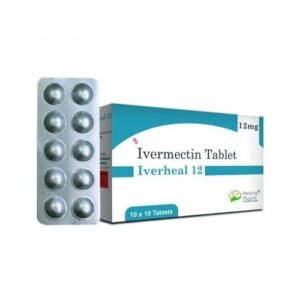
Ivermectin 12 mg
Price range: $55.00 through $720.00 Select options This product has multiple variants. The options may be chosen on the product page -
Iverheal 12
Price range: $55.00 through $720.00 Select options This product has multiple variants. The options may be chosen on the product page -
Iverheal 12mg
Price range: $55.00 through $720.00 Select options This product has multiple variants. The options may be chosen on the product page -
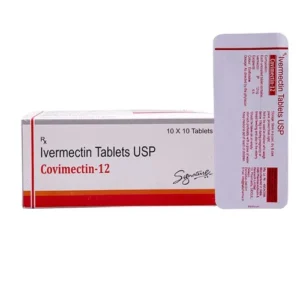
Covimectin 12 Mg
Price range: $85.00 through $470.00 Select options This product has multiple variants. The options may be chosen on the product page